KUPPET warns court ruling on school levies will cripple public education
The ruling bars public schools from imposing any levies without prior approval from the Education Cabinet Secretary.
The Kenya Union of Post-Primary Education Teachers (KUPPET) has raised alarm that the High Court’s ruling outlawing school levies could paralyse public schools by cutting off essential funding for their daily operations.
The ruling means public schools cannot charge levies without approval from the Education Cabinet Secretary.
More To Read
- How Grade 10 learners will be placed in senior schools using eight-point assessment system
- Labour Ministry warns KUPPET over ‘illegal’ election plans using suspended amendments
- Teachers to stay in same schools after promotions under new TSC policy
- TSC announces recruitment of 9,159 teachers nationwide
- 2025 KCSE concludes smoothly as government reports sharp decline in exam cheating cases
- Education Ministry pledges early capitation release for smooth start to new term
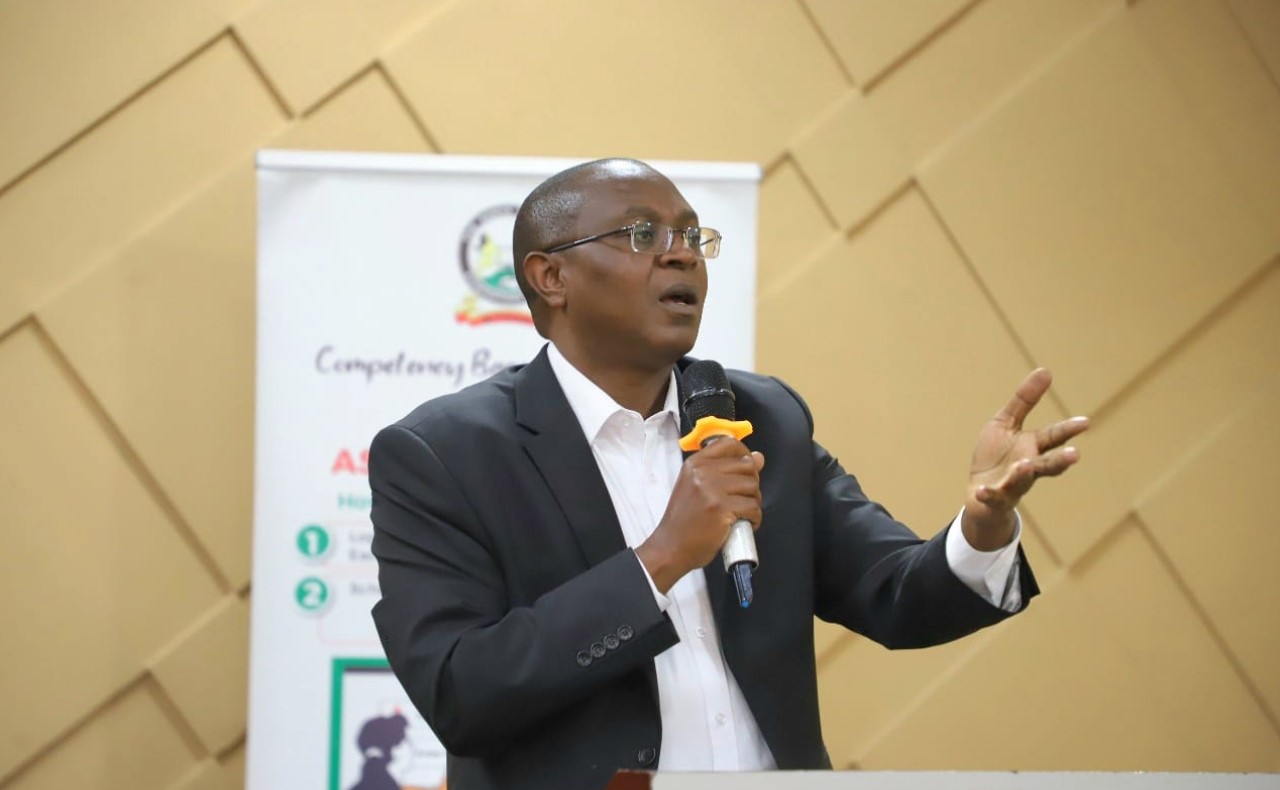
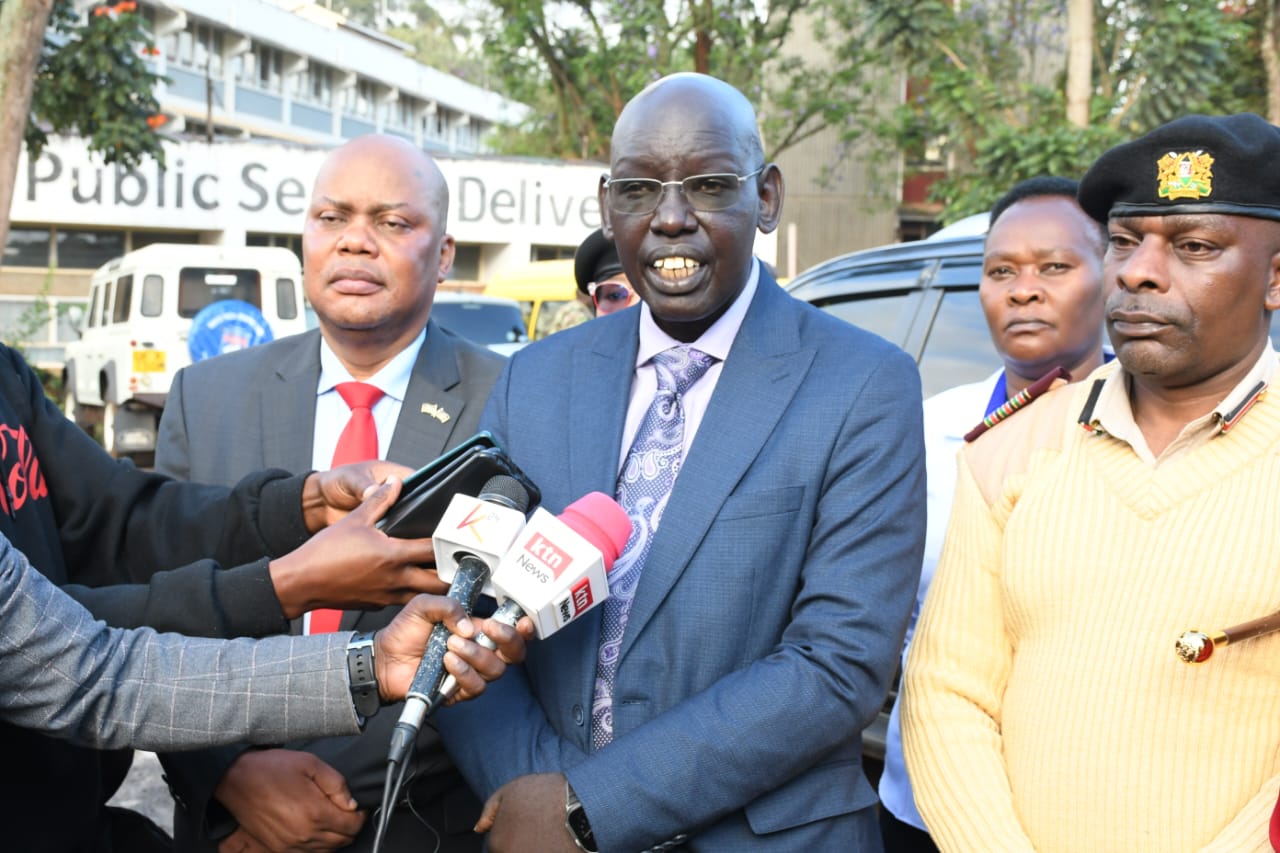
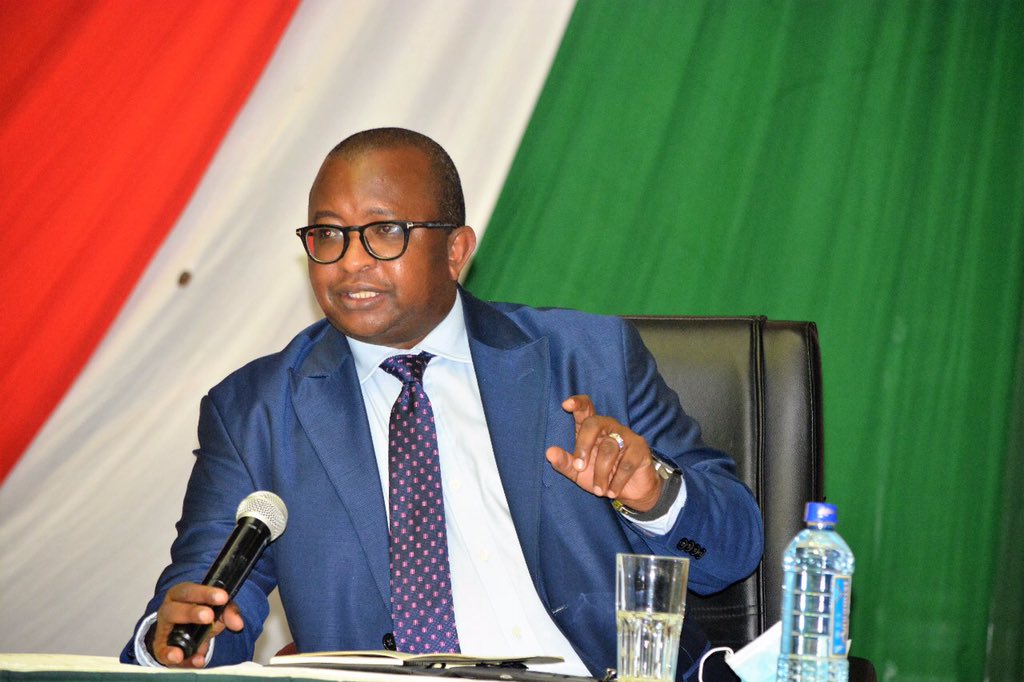
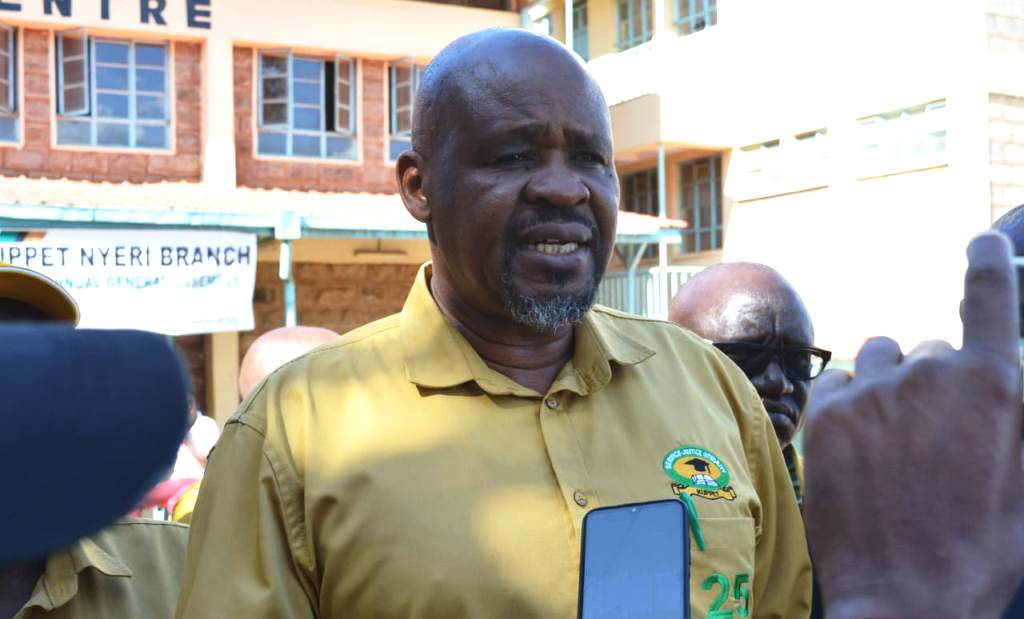
Speaking on Tuesday, KUPPET Deputy Secretary-General Moses Nthurima said schools rely on levies because government funds often arrive late.
“For schools to provide quality education, there must be money and resources to foot the cost that comes with managing these schools. When principals levy fees, they go through the parents, and of course, they seek authorisation from the Ministry of Education,” he explained.
Extra funding
Nthurima added that the tough economic climate and rising prices for basic goods force schools to look for extra funding to stay afloat.
He said that without levies, school heads would struggle to manage operations.
He said schools could not operate without levies because there were often delays in the disbursement of government capitation. He added that, at times, the pending education bills were huge, which was why schools often imposed levies to help finance operations.
School levies cover costs like operations, infrastructure, extracurricular activities, exams, and lunch programmes.
Unauthorised levies
However, many parents have complained about high and sometimes unauthorised levies in public schools.
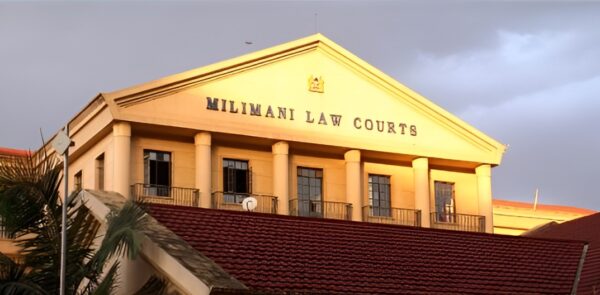
The High Court ruling on June 16 stated that schools must get approval from the Education Cabinet Secretary before demanding any levies.
In response, the Education Cabinet Secretary, Julius Ogamba, warned that the government will take strong action against any school head imposing unauthorised charges.
“School heads and principals are directed to ensure prudent use of these public resources entrusted to their care for the benefit of learners and to desist from imposing any unauthorised levies,” he said.
“As a Ministry, we will deal firmly with any verified cases of misappropriation of resources and the imposition of unauthorised levies.”
Top Stories Today